
Different Experiences, Shared Red Flags: Why Listening to Young People Matters
A blog by Noreen Burroughes:
On 16 October, I had the privilege of spending time with a rather different audience from the one I usually engage with — a much younger generation, with their own experiences, perspectives and concerns.
I was part of the organising team for the National Council of Women Malta’s first youth conference on domestic violence and healthy relationships, where I also moderated one of the sessions.
It was a rewarding experience, and one that reminded me just how much we can learn when we create opportunities not only to speak to young people, but, more importantly, to listen to them.
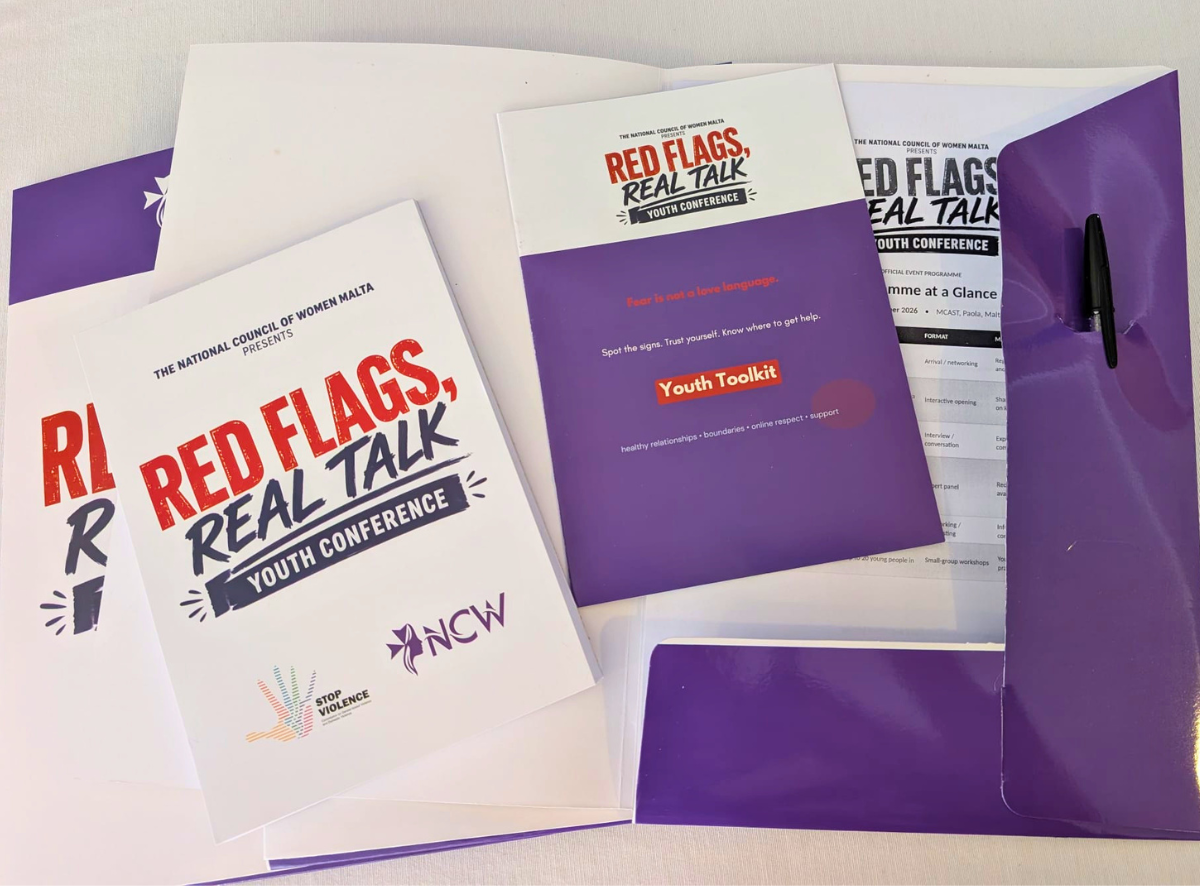
The conference was an important initiative in its own right. But for me, it also reinforced something that goes well beyond the subject of domestic violence: the importance of genuinely engaging with young people, listening to their concerns, respecting their perspectives and recognising that their experiences are not necessarily ours.
The conference benefited from support at the highest institutional levels, including a video message from Roberta Metsola, President of the European Parliament, and contributions from the Hon. Minister Rosianne Cutajar and Samantha Pace Gasan, Commissioner on Gender-Based Violence and Domestic Violence. The conference was funded by the Commission on Gender-Based Violence and Domestic Violence through its Together We Empower programme. This institutional commitment was particularly welcome, reinforcing the importance of prevention, early awareness and engaging young people directly in conversations that affect their lives.
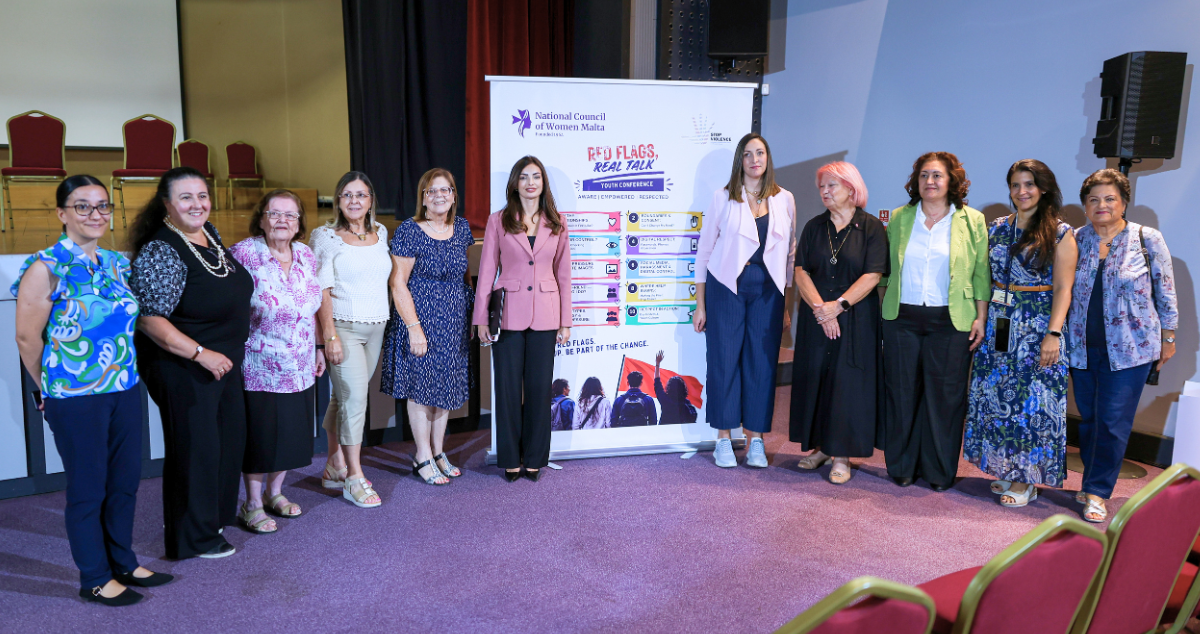
Equally important was the participation and support of organisations and agencies working across youth engagement, safeguarding, equality and support for those affected by violence and abuse. My thanks to Malta Girl Guides, Dar Hosea, the Malta Police Force, Aġenzija Żgħażagħ, the National Commission for the Promotion of Equality (NCPE) and the Victim Support Agency for their involvement and commitment.
Their presence provided an important link between awareness and practical support, helping young participants understand where they can seek advice, report concerns or find help for themselves or someone they know. It also offered an opportunity for direct engagement with organisations whose work can make a real difference.
Recognising the red flags is important, but knowing where to turn for help — and feeling confident enough to seek it — is equally essential.
We need to listen, not simply tell
As adults, we naturally draw on our own experiences when offering advice, guidance or support. But we must be careful not to assume that the world in which we grew up, formed relationships and navigated challenges is the same world that young people experience today.
It isn’t. The ways in which young people communicate, build relationships, express themselves and experience social pressures have evolved. Digital platforms, social media, constant connectivity and changing social expectations have introduced dimensions to relationships that many of us did not encounter in our formative years.
We cannot simply impose the lessons of our own experiences without first understanding theirs.
That does not mean our experience has no value. Quite the opposite. It means finding ways to make that experience relevant, creating space for dialogue rather than delivering instructions, and recognising that young people have their own insights, concerns and solutions to contribute. And yet, amid all these changes, some things remain remarkably constant.
The red flags of unhealthy and abusive relationships — controlling behaviour, manipulation, intimidation, isolation, disrespect and coercion — may manifest themselves differently across generations, but the underlying warning signs remain.
What has changed is often the context in which they appear, how they are experienced, and sometimes how difficult they can be to recognise. This is why awareness matters. But awareness alone is not enough. We need to equip young people to recognise these warning signs, to question behaviours that may have become normalised, to understand what healthy relationships look like, and to know where they can turn for support. Just as importantly, we need to give them the confidence to speak, to challenge and to contribute to changing attitudes among their peers.
From listening to participation
One of the most rewarding aspects of Friday’s conference was seeing young people engage in the discussions and workshops, express their views and put forward their own ideas for change.
The workshops were designed to go beyond discussion, encouraging participants to identify practical actions, develop messages for their peers and make recommendations for schools, youth organisations and the wider community.
This is an important distinction. Meaningful youth engagement is not simply about inviting young people into a room, asking for their opinions and then returning to business as usual.
It is about giving their voices genuine weight, respecting their contributions and being prepared to listen to what they tell us — including when it challenges our own assumptions.
And it is about recognising that young people are not simply the beneficiaries of initiatives designed by adults. They can and should be active contributors to the solutions.
I was pleased to contribute to shaping this initiative alongside the National Council of Women Malta, from developing the programme and its identity to working with speakers and contributors and moderating the fireside conversation with systemic family psychotherapist Maria Chircop.
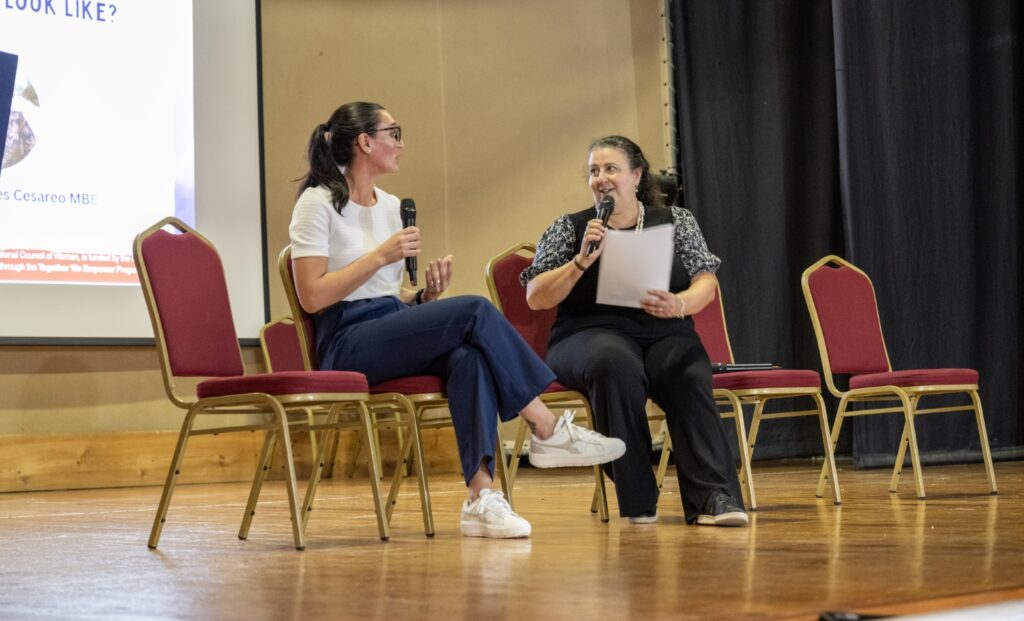
My congratulations to the NCW leadership, organising team, speakers, facilitators, participating schools and organisations, and everyone who helped bring the conference to life.
Above all, I hope this will be a starting point rather than a one-off event, and that the ideas generated by the young participants will help inform what comes next.
Because if we want young people to recognise the red flags, build healthier relationships and become advocates for positive change, we must first be willing to understand the world through their eyes.
The question is not simply whether we are prepared to listen to young people, but whether we are prepared to let what they tell us influence what we do next.
#YouthEngagement #HealthyRelationships #DomesticViolenceAwareness #YouthVoices #NationalCouncilOfWomenMalta